
In an era where health is increasingly recognized as our most valuable asset, the decision to bring fitness into your home is one of the most powerful investments you can make. It’s a commitment to longevity, energy, and quality of life that pays dividends far beyond the financial cost. However, navigating the vast world of home gym equipment can be daunting. With so many options, from sleek cardio machines to rugged strength-training apparatus, how do you make the right choice? This isn’t just a purchase; it’s a strategic investment in your well-being.
The journey begins not by looking at products, but by looking inward. The single most important factor in choosing the right fitness equipment is aligning it with your personal goals. A machine that is perfect for a marathon hopeful may gather dust in the home of someone seeking muscle growth. Start by asking yourself a few key questions:
- What are my primary objectives? Do you want to lose weight, build muscle, improve cardiovascular health, enhance athletic performance, or simply maintain mobility and flexibility?
- What do I enjoy? Be brutally honest. If you loathe running, a treadmill will likely become an expensive clothes rack. If you love the rhythmic motion of cycling, a stationary bike might be your perfect match. Sustainability is built on enjoyment.
- What is my experience level? Are you a seasoned athlete or a beginner reacquainting yourself with exercise? Your choice should challenge you, not intimidate or injure you.
Once you have clarity on your “why,” you can effectively explore the “what.” Let’s break down the primary categories of equipment to match your goals.
For Cardiovascular Health and Weight Management
Cardio equipment is the cornerstone of heart health and calorie burning. The key is to find the modality you will consistently use.
- Treadmills: The classic for a reason. Walking, jogging, or running is a natural human movement. A quality treadmill offers adjustable inclines and programmed workouts, providing an excellent, full-body cardiovascular workout. Ideal for those who enjoy walking or running and want to improve endurance.
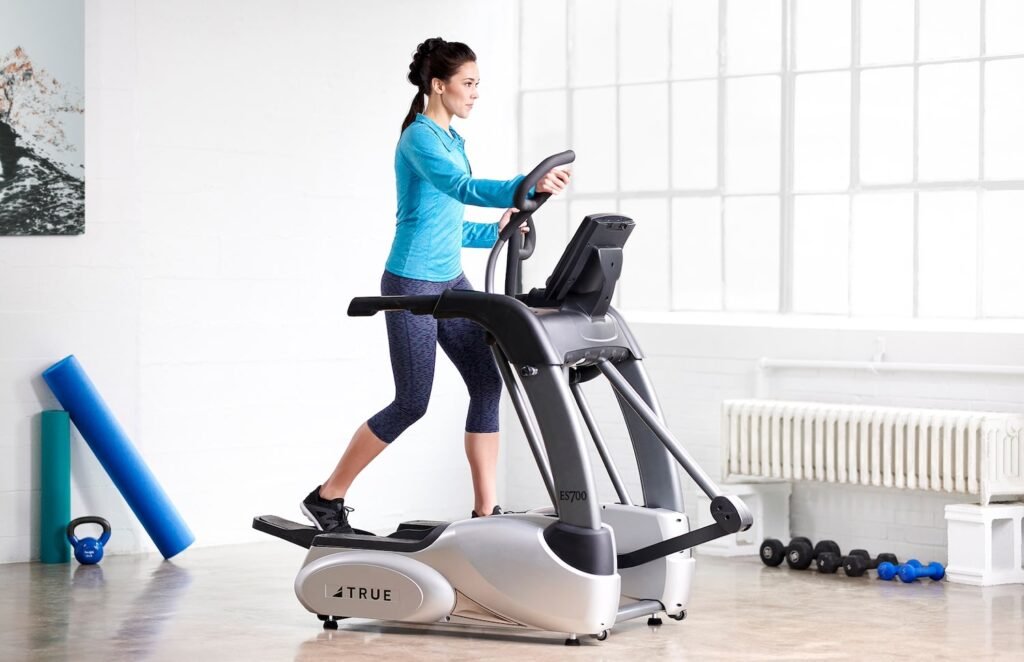
- Ellipticals and Cross-Trainers: These machines provide a low-impact alternative to running. The smooth, gliding motion is easy on the joints while still delivering a potent cardio and lower-body workout. Many models incorporate moving arm handles for an upper-body component, making them a fantastic full-body choice.
- Exercise Bikes: From the upright position of a traditional bike to the reclined comfort of a recumbent model, stationary bikes offer intense cardio with minimal joint stress. The rise of connected bikes with immersive classes has also made them a popular choice for those who thrive on community and guided motivation.
- Rowers: Often hailed as the most efficient piece of cardio equipment, a rowing machine engages nearly 85% of your muscles in a single, fluid motion. It builds incredible cardiovascular endurance while simultaneously strengthening your legs, core, and back.
For Strength and Muscle Building
Building lean muscle mass is crucial for metabolism, bone density, and functional strength in daily life.
- Home Gyms / Multi-Gyms: These all-in-one stations are the ultimate solution for comprehensive strength training in a compact, safe format. Using a weight stack and pulley system, they allow you to perform a wide variety of exercises—from leg presses and lat pulldowns to chest presses—without needing a rack of free weights. They are perfect for beginners and those prioritizing safety.
- Free Weights (Dumbbells and Barbells): The gold standard for raw strength building and functional movement. Free weights require more stabilizer muscle engagement, leading to excellent strength gains. Adjustable dumbbell sets are a space-efficient choice for a home gym. This path offers the most versatility but often requires more space and knowledge to use effectively.
- Power Racks and Squat Stands: For the serious strength enthusiast, a power rack is the centerpiece of a home gym. It allows for safe, heavy lifting on fundamental exercises like squats and bench presses, with safety bars to catch the weight if you fail a rep.
Beyond the Machines: Space, Budget, and Quality
With your goals and preferred equipment type in mind, three practical considerations will finalize your decision.
- Space Constraints: Be realistic about the space you can dedicate. A folding treadmill or a compact elliptical can be a lifesaver for smaller rooms. Consider the machine’s footprint not just for use, but also for its “walk-around” space. For strength training, a single set of adjustable dumbbells and a bench can deliver a world-class workout in a corner of a room.
- Budgeting for Long-Term Value: When investing in fitness equipment, think in terms of value, not just cost. A cheaper machine may have a lower upfront price but could lead to frustration, a poor workout experience, and costly repairs—or worse, premature failure. Investing in a quality product from a reputable supplier like Total Fitness Equipment means investing in durability, better warranties, smoother operation, and ultimately, your long-term commitment to fitness. It’s the difference between a short-term expense and a long-term investment.
- The Non-Negotiable: Quality and Safety: Look for robust construction, stable frames, and a user weight capacity that comfortably exceeds your own. A smooth, quiet drive system on a cardio machine indicates superior engineering. For strength equipment, check the quality of the upholstery, the sturdiness of the steel, and the reliability of the adjustment mechanisms. Your safety is paramount.
The Final Step: Trying Before Buying
Whenever possible, experience the equipment firsthand. Visit a showroom to walk on the treadmill, cycle on the bike, or feel the smooth pull of a home gym. Does it feel comfortable? Is the console intuitive? Does the movement feel natural? This tactile experience is invaluable and can be the final factor in ensuring you choose a machine you will love for years to come.
Investing in your health is a profound decision. By thoughtfully considering your personal goals, understanding the different types of equipment, and weighing practical factors like space and quality, you can move beyond the overwhelm. The right piece of fitness equipment is not just a machine; it’s a partner in your health journey, a tool for transformation, and a daily reminder that you are worth the investment. Take the first step today by defining your goal—your future self will thank you for it.